

Understanding the Basics of Sustainable Home Décor
Embracing sustainable home décor is more than just a trend—it’s a lifestyle choice that reflects a growing awareness of environmental impact. For those looking to create a stylish yet eco-friendly living space, understanding the fundamentals of sustainable design is essential.
Sustainable home décor starts with the choice of materials. Opting for furniture and accessories made from recycled or renewable resources can significantly reduce your carbon footprint. Bamboo, reclaimed wood, and recycled glass are popular options for environmentally-conscious consumers. These materials not only offer durability but also add a unique aesthetic to your home. Investing in quality over quantity ensures that your furniture lasts longer and reduces waste.
Another key aspect is energy efficiency. Incorporating energy-saving lighting, such as LED bulbs, and choosing appliances with high Energy Star ratings can help decrease household energy consumption. Additionally, maximizing natural light by using sheer curtains or strategically placing mirrors can reduce the need for artificial lighting during the day.
Lastly, consider the lifecycle of your products. Eco-friendly design encourages us to think about the end-of-life of our décor items. Can they be recycled, repurposed, or upcycled? Making conscious choices about what we bring into our homes can lead to a more sustainable future.
By integrating these sustainable design principles into your home, not only do you contribute to environmental conservation, but you also create a living space that is uniquely yours, reflecting both style and responsibility.
Choosing Eco-Friendly Materials for Your Home
Incorporating eco-friendly materials into your home design is not only a responsible choice but also a stylish one. With the growing awareness of environmental issues, more homeowners are gravitating towards sustainable options that align with their values. This shift not only benefits the planet but also imbues your living spaces with a unique charm and elegance.
Why Go Green?
Choosing eco-friendly materials contributes to reducing your carbon footprint and often results in healthier indoor air quality. Materials such as bamboo, cork, and reclaimed wood are not only sustainable but also durable and aesthetically pleasing. They offer a refreshing alternative to traditional materials, providing unique textures and tones that can transform any room.
Sustainable Flooring Options
- Bamboo: Known for its rapid growth, bamboo is a renewable resource that mimics the look of hardwood.
- Cork: Harvested from the bark of cork oak trees, this material is not only sustainable but also provides natural insulation and cushioning.
- Reclaimed Wood: Giving a second life to old wood reduces waste and adds a rustic charm to your home.
Eco-Friendly Paint
Choosing paints with low or zero volatile organic compounds (VOCs) is crucial for maintaining healthy indoor air quality. These paints are available in a variety of colors and finishes without the harmful chemicals found in conventional paints.
By choosing eco-friendly materials, you support sustainable practices and create a healthier environment for you and your family. Ready to make a change? Explore our eco-friendly options to start your sustainable home journey today.
Incorporating Renewable Energy Solutions into Home Design
Embracing renewable energy solutions in home design is not only a stride towards sustainability but also a statement of innovative style and forward-thinking. As homeowners seek to reduce their carbon footprint and energy bills, integrating renewable energy systems presents an opportunity to achieve both environmental and economic benefits. Here’s how you can incorporate these solutions into your home design effectively.
Solar Power Integration
One of the most accessible and popular renewable energy solutions is solar power. By installing solar panels on your rooftop, you can harness the sun’s energy to power your home. Solar technology has evolved significantly, with sleek designs that can blend seamlessly into the aesthetic of any home. These panels not only contribute to significant savings on electricity bills but also increase the overall value of your property.
Geothermal Heating and Cooling
Geothermal systems offer an eco-friendly alternative for heating and cooling your home. By utilizing the Earth’s stable underground temperatures, these systems can efficiently maintain your home’s climate, reducing reliance on fossil fuels. Geothermal heating and cooling units can be discreetly installed, ensuring they do not disrupt your home’s visual appeal.
Wind Turbines for Residential Use
Though less common in urban settings, small wind turbines can be a viable option for homes in rural or windy areas. Modern residential wind turbines are designed to be less intrusive and more aesthetically pleasing, making them a feasible addition to your sustainable home design.
Incorporating renewable energy solutions not only enhances the functional efficiency of your home but also reflects a commitment to a sustainable lifestyle. As you consider these options, think of them as an investment in both your future and the planet’s well-being.
The Role of Upcycled Furniture in Modern Living
Incorporating upcycled furniture into your home is not only a trend but a movement towards sustainability that aligns perfectly with modern living. This approach to furnishing is more than just a design choice; it’s a commitment to eco-friendliness, creativity, and individuality. Upcycled furniture involves taking used or discarded items and transforming them into something new and functional, breathing new life into materials that might otherwise end up in a landfill. This practice is a cornerstone of eco-friendly design, marrying style with sustainability.
Creativity Meets Sustainability
One of the most compelling aspects of upcycled furniture is the creativity involved. Each piece tells a unique story, often reflecting the personality and creativity of its creator. For those looking to express individuality in their home decor, upcycled pieces offer a dynamic way to achieve this. Whether it’s a coffee table made from reclaimed wood or a vintage chair reupholstered with modern fabric, these pieces add character and charm to any room.
Cost-Effective and Unique
Beyond environmental benefits, upcycled furniture is typically more cost-effective than new, mass-produced furniture. This makes it an attractive option for budget-conscious consumers. Moreover, each upcycled piece is one-of-a-kind, providing a bespoke touch that cannot be replicated by traditional retail options. This uniqueness not only enhances the aesthetic appeal of your space but also contributes to a more personalized home environment.
Supporting Local Artisans and Businesses
Choosing upcycled furniture often means supporting local artisans and small businesses who specialize in sustainable practices. This not only bolsters local economies but also fosters a community of like-minded individuals committed to sustainability. Engaging with these creators can provide insights into the stories behind each piece, offering a deeper connection to your home decor.
Creating a Green Space with Indoor Plants
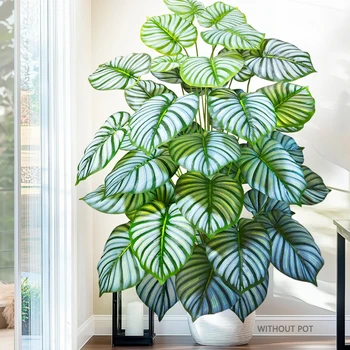
Incorporating indoor plants into your home’s design is an effortless yet impactful way to create a green, eco-friendly space that is both stylish and inviting. Indoor plants not only enhance the aesthetic appeal of your home but also improve air quality and offer a range of mental health benefits. Whether you have a sprawling mansion or a cozy apartment, plants can transform any living area into a tranquil, nature-inspired sanctuary.
Benefits of Indoor Plants
Indoor plants are natural air purifiers. Species like the snake plant, spider plant, and peace lily are particularly effective at removing toxins from the air, promoting a healthier living environment. Moreover, the presence of greenery is known to reduce stress, increase productivity, and boost overall mood—making plants an ideal addition to any home office or relaxation space.
Choosing the Right Plants
Choosing the right plants for your space is crucial. Consider factors such as light availability, humidity, and the level of care you can provide. For low-light areas, opt for plants like pothos and ZZ plants, which thrive in less sunlight. If you have a sunnier spot, succulents and cacti are low-maintenance yet visually striking options.
Arranging Your Green Space
When arranging your indoor plants, think about variety and depth. Use different heights and textures to create an eye-catching display. Hanging plants can add dimension, while a cluster of small pots on a windowsill or shelf can create a charming, cohesive look. Mixing plant sizes and types keeps the space dynamic and engaging.
Creating a green space with indoor plants is more than just a design choice; it’s a lifestyle enhancement that reflects a commitment to sustainability and well-being.



0 Comments